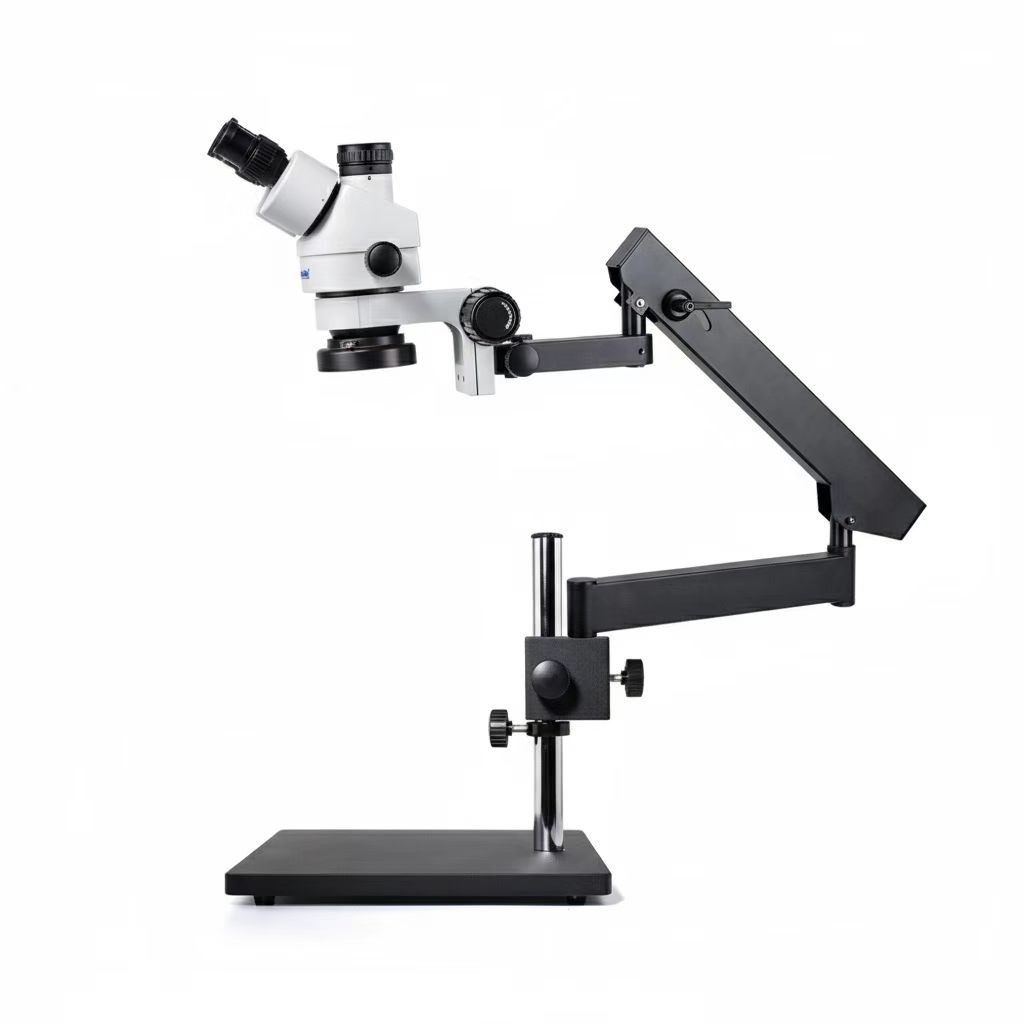
The field of dentistry, particularly endodontics (root canal treatment), demands extreme precision and skill. For dental students, mastering advanced techniques and tools is crucial for their future success. In recent years, the integration of operating microscopes, endodontic motors, and advanced file systems has revolutionized endodontic training, significantly enhancing the skill level of dental students.
Dental Models for Training: The Bridge from Theory to Practice
Before students can handle real clinical cases, dental training models play a vital role. These models provide a safe, repeatable environment for students to practice and refine their techniques. By simulating real tooth anatomy, including curved canals and calcified pulp chambers, students can repeatedly practice procedures like diagnosis, access cavity preparation, root canal preparation, and obturation without clinical pressure. This hands-on learning approach allows students to better understand and master the complexities of root canal treatment, establishing a solid foundation for subsequent microscopic procedures.
The Precise World Under the Microscope
The introduction of the operating microscope was a giant leap forward in endodontics. For dental students, working under the microscope means gaining several times the magnification and clearer illumination than what is possible with the naked eye. This allows students to:
- Identify Minute Structures: Spot accessory canals, canal orifices, and subtle anatomical variations within the canal system that are often invisible to the naked eye.
- Achieve Precise Preparation: In a high-magnification field of view, students can more accurately remove infected tissue while maximizing the preservation of healthy tooth structure.
- Visualize the Procedure: Clearly see the movement of the endodontic file within the canal, helping to avoid procedural errors like ledges or perforations.
- Develop Ergonomics: Operating under the microscope typically requires more stable and precise hand movements, which helps students develop good posture and operational habits.
Through the microscope, students not only improve their operational accuracy but also cultivate an extreme attention to detail, an indispensable quality for becoming an excellent endodontist.
The Smart Assistance of the Endo Motor
The advent of the endo motor has made root canal preparation more efficient and safer. Modern endo motors are equipped with various advanced features that significantly boost dental students’ learning efficiency and confidence:
- Torque Setting: The endo motor allows operators to set precise torque limits for different endodontic files. This means that when the file encounters resistance in the canal and reaches the preset value, the motor will automatically stop or reverse, effectively preventing file separation. For students, this greatly reduces the risk of accidents, allowing them to practice canal preparation with greater peace of mind.
- Adaptive Motion: This is an intelligent movement mode where the motor automatically switches between rotation and reciprocation based on the stress sensed by the file in the canal. When resistance is low, the file performs continuous rotation for efficiency; when resistance increases, it switches to adaptive motion to reduce the risk of file binding and fracture. This intelligent movement mode helps students better handle complex canal anatomies during their learning process.
- Reciprocating Motion: The reciprocating motion mode uses specific clockwise and counter-clockwise rotation angles to effectively guide the file movement within the canal, reducing stress concentration and enhancing the file’s resistance to cyclic fatigue. This mode is particularly effective for initial canal negotiation, helping students establish canal pathways faster and safer.
These advanced movement modes and safety features allow dental students to focus more on understanding canal morphology and improving operative techniques, rather than being overly preoccupied with the risk of instrument fracture.
Endodontic File Options and Choices
In addition to the microscope and endo motor, the choice of endo files also greatly influences treatment outcomes and the learning experience. The market offers a wide variety of nickel-titanium (NiTi) files with different materials, tapers, sizes, and designs, such as:
- Continuous Rotary Files: Suitable for routine canal preparation, offering high efficiency.
- Reciprocating Files: Specifically designed for the reciprocating motion mode, boasting higher cyclic fatigue resistance.
- Varying Tapers and Flexibility: Files are available to address different canal morphologies (e.g., narrow, curved canals), helping students learn how to select the most appropriate instrument based on the specific case.
By experimenting with different endo files options on choice during practice, students can understand their respective characteristics and indications, thus accumulating invaluable clinical experience.
Final Root Canal Obturation
Completing the endodontic workflow, the root canal obturation system represents the final yet equally critical stage of treatment — and modern technology has made this step as precise and learner-friendly as preparation itself. The system comprises two dedicated devices: the downpack obturation device and the backfill obturation device, working in seamless tandem. Students experience the remarkable responsiveness of a heating element that reaches 200°C in just 0.2 seconds and cools within 1 second, enabling controlled, confident compaction of the apical 4–5 mm. The backfill device then delivers warm gutta-percha to fill the coronal two-thirds, while specially curved dispenser tips allow students to navigate and obturate even the most complex canal geometries with ease.
Mastering this two-stage obturation technique on training models builds the same procedural confidence discussed throughout this article. Together with endodontic files, endo motors, apex locators, and operating microscopes, the obturation system completes a fully integrated learning toolkit — equipping dental students with every instrument they need to deliver thorough, high-quality root canal treatment from start to finish.
Explore the full range of endodontic supplies from Dentsma, where every product comes with detailed images and descriptions — all ready for fast, reliable shipping straight to your practice or institution.
A Leap in Skill Level
In conclusion, the combination of the operating microscope, endo motor, and diverse endo file systems provides an unprecedented learning platform for dental students, leading to a significant increase in their endodontics skills level:
- Enhanced Operational Precision: The high-definition view provided by the microscope enables students to perform more meticulous and accurate procedures.
- Improved Safety: The torque setting and intelligent motion modes of the endo motor substantially mitigate the risk of instrument separation.
- Optimized Efficiency: Automated instrument preparation reduces the time and fatigue associated with manual operation.
- Deeper Anatomical Understanding: Under the microscope, students gain a more profound, three-dimensional comprehension of the root canal system’s anatomy.
- Increased Clinical Confidence: Through repeated practice in a controlled environment, students become more confident and composed when handling real clinical cases.
- Adaptation to Future Technology: Mastering these advanced tools prepares students to better adapt to the future evolution of dental technology.
With the widespread adoption of these advanced technologies, future dental students will be able to acquire high-level endodontic skills more quickly, enabling them to provide higher quality oral healthcare to patients.